
We use cookies to ensure our website works properly and to personalise your experience. Cookies policy
1Project Scholar, Department of Botany, Tirunelveli Dakshina Mara Nadar Sangam College, T. Kallikulam, Tamilnadu-627113, India.
2Associate Professor, Department of Botany, Tirunelveli Dakshina Mara Nadar Sangam College, T. Kallikulam, Tamilnadu-627113, India.
3Assistant Professor, MRI Research Laboratory, PG and Research Department of Chemistry, Tirunelveli Dakshina Mara Nadar Sangam College, T. Kallikulam, Tamilnadu-627113, India.
The present study investigates the green synthesis of Ce–ZrO? nanoparticles using Phyllanthus maderaspatensis leaf extract as a natural reducing and stabilizing agent. The phytochemical constituents of the extract, including flavonoids, phenolic compounds, tannins, and alkaloids, facilitated nanoparticle formation through an environmentally friendly process without the use of hazardous chemicals. Cerium (III) nitrate hexahydrate and zirconium (IV) oxychloride octahydrate were employed as metal precursors, and the synthesized nanoparticles were obtained through controlled stirring, ageing, centrifugation, washing, drying at 90 °C, and calcination at 500 °C. The green synthesis yielded approximately 92% of reddish-brown Ce–ZrO? nanoparticles with excellent stability and high phase purity. The synthesized nanoparticles were characterized using UV–Visible spectroscopy. It revealed characteristic absorption in the ultraviolet region, indicating successful mixed oxide formation. The nanoparticles exhibited good crystallinity, reduced agglomeration, and enhanced physicochemical stability due to the capping effect of plant-derived biomolecules. The antibacterial activity of the synthesized Ce–ZrO? nanoparticles was evaluated against Bacillus subtilis, Bacillus cereus, Staphylococcus aureus, Escherichia coli, Pseudomonas aeruginosa, and Klebsiella pneumoniae using the agar well diffusion method at concentrations of 50, 75, and 100 ?g mL?¹. The nanoparticles showed concentration-dependent antibacterial activity, with the highest inhibition observed at 100 ?g mL?¹, and Gram-positive bacteria exhibited slightly greater susceptibility than Gram-negative bacteria.
Nanotechnology has significantly advanced the development of functional materials with tailored physicochemical properties for applications in energy, environmental remediation, catalysis, electronics, and biomedicine. Materials with dimensions between 1 and 100 nm exhibit unique characteristics, including a high surface-to-volume ratio, enhanced surface reactivity, and size-dependent optical and electronic properties, making them superior to their bulk counterparts in many technological applications [1,2]. Among nanoscale materials, metal oxide nanocomposites have attracted considerable interest because combining two or more metal oxides often results in improved structural stability and enhanced functional performance. The interaction between different oxide phases can promote charge transfer, increase the density of active surface sites, and improve catalytic efficiency, making these materials suitable for photocatalysis, gas sensing, antimicrobial coatings, and electrochemical devices [3,4]. The formation of heterojunctions within mixed oxide systems also suppresses electron–hole recombination, thereby enhancing photocatalytic activity under ultraviolet and visible light irradiation [5].
Cerium oxide (CeO?) is one of the most extensively investigated rare-earth metal oxides due to its excellent oxygen storage capacity and reversible redox transition between Ce³? and Ce??. These characteristics enable rapid oxygen exchange and make ceria an effective catalyst for oxidation–reduction reactions. Consequently, CeO? has found applications in automotive exhaust catalysts, solid oxide fuel cells, photocatalysis, gas sensors, and environmental remediation technologies [6,7]. Despite these advantages, pure ceria is susceptible to thermal degradation and limited oxygen mobility during prolonged operation, which can adversely affect catalytic performance [8]. Incorporating zirconium oxide (ZrO?) into the ceria lattice has proven to be an effective strategy for overcoming these limitations. The formation of Ce–ZrO? solid solutions improves thermal stability, enhances oxygen vacancy concentration, and increases oxygen storage capacity while preserving the fluorite crystal structure of ceria [9]. These structural modifications facilitate oxygen transport and improve redox cycling, leading to superior catalytic and photocatalytic performance compared with pure CeO? [10]. As a result, Ce–ZrO? nanocomposites have been widely explored for applications in catalytic converters, fuel cells, photocatalytic degradation of organic contaminants, and environmental pollution control [11].
The properties of Ce–ZrO? nanocomposites are strongly influenced by the synthesis method. Conventional preparation techniques such as sol–gel, hydrothermal, co-precipitation, and combustion methods can produce highly crystalline nanoparticles with controlled composition. However, these approaches often involve hazardous chemicals, high reaction temperatures, and complex processing conditions, increasing both production costs and environmental impact [12]. These limitations have encouraged the development of sustainable synthesis strategies based on the principles of green chemistry. Green synthesis utilizes naturally occurring biological materials as reducing and stabilizing agents, eliminating or minimizing the use of toxic reagents. Plant extracts are particularly attractive because they contain abundant phytochemicals, including flavonoids, phenolic acids, tannins, alkaloids, terpenoids, and proteins, which facilitate the reduction of metal ions while simultaneously stabilizing the resulting nanoparticles [13]. Compared with conventional synthesis methods, plant-mediated approaches are environmentally benign, cost-effective, energy-efficient, and suitable for large-scale production [14]. In addition, residual biomolecules adsorbed on nanoparticle surfaces may improve their catalytic, antimicrobial, and biological properties.
Among medicinal plants, Phyllanthus maderaspatensis has attracted attention because of its rich phytochemical composition. Extracts of this plant contain flavonoids, phenolic compounds, tannins, saponins, and other antioxidant molecules capable of donating electrons during nanoparticle synthesis. These compounds not only reduce metal precursors but also act as natural capping agents that regulate nucleation, inhibit particle aggregation, and improve nanoparticle stability [15-18]. The presence of bioactive functional groups on the nanoparticle surface may further enhance catalytic activity and environmental applications. Considering these advantages, the present study focuses on the green synthesis of Ce–ZrO? nanocomposites using Phyllanthus maderaspatensis leaf extract as a natural reducing and stabilizing agent. The synthesized nanocomposites are characterized using X-ray diffraction (XRD), Fourier-transform infrared spectroscopy (FTIR), scanning electron microscopy (SEM), and UV–Visible spectroscopy to evaluate their structural, morphological, and optical properties. The photocatalytic and catalytic performances of the prepared nanocomposites are also investigated to assess their potential for sustainable environmental applications.
2. Literature Review
Metal oxide nanocomposites have attracted considerable attention due to their unique structural, optical, and catalytic properties, making them suitable for applications in environmental remediation, catalysis, sensing, and energy conversion (Montini et al. [19]). Among these materials, cerium oxide (CeO?) exhibits excellent oxygen storage capacity and reversible Ce³?/Ce?? redox behavior, while its combination with zirconium oxide (ZrO?) enhances thermal stability, oxygen mobility, and catalytic efficiency (Trovarelli & Llorca [20]; Fornasiero et al. [21]). The resulting Ce–ZrO? nanocomposites demonstrate superior photocatalytic performance owing to improved charge separation and reduced electron–hole recombination (Kaspar et al. [22]). Conventional synthesis methods such as sol–gel and hydrothermal techniques often require hazardous chemicals and high energy consumption. Consequently, green synthesis has emerged as an environmentally sustainable alternative that utilizes plant extracts as natural reducing and stabilizing agents (Iravani [23]; Singh et al. [24]). Plant-derived phytochemicals, including flavonoids, phenolics, tannins, and alkaloids, facilitate nanoparticle formation while improving their stability and surface functionality. Phyllanthus maderaspatensis is a medicinal plant rich in antioxidant phytochemicals capable of reducing metal ions and producing stable nanoparticles with controlled morphology (Kirtikar & Basu [25]). Green-synthesized Ce–ZrO? nanocomposites exhibit excellent optical properties, which can be evaluated using UV–Visible spectroscopy, and possess significant antibacterial activity against both Gram-positive and Gram-negative bacteria (Ahmed et al. [26]). Therefore, the present study focuses on the green synthesis of ZrO?–CeO? nanocomposites using P. maderaspatensis leaf extract and evaluates their UV–Visible absorption characteristics and antibacterial activity against Bacillus subtilis, Bacillus cereus, Staphylococcus albus, Pseudomonas aeruginosa, Escherichia coli, and Klebsiella pneumoniae for sustainable biomedical and environmental applications.
MATERIALS AND METHODS
The synthesis, characterization, and antimicrobial evaluation of the metal oxide nanocomposites involve various steps also required various high-grade chemicals mostly imported. The methodology includes the preparation of plant extracts, nanoparticle synthesis, and the analytical techniques employed to investigate their physicochemical, optical, and biological properties.
3.1. Materials. Cerium (III) nitrate hexahydrate (Ce (NO?)?·6H?O, ≥99.5%) and Zirconium (IV) oxychloride octahydrate (ZrOCl?·8H?O, ≥98%) were procured from Merck Life Science Pvt. Ltd., India, and used as the metal precursors for the synthesis of CeO?–ZrO? nanocomposites. Fresh leaves of Phyllanthus maderaspatensis were collected locally and used for the preparation of the plant extract as the natural reducing and capping agent. Analytical-grade solvents including ethanol, methanol, acetone, acetonitrile, chloroform, dichloromethane, diethyl ether, hexane, toluene, and N,N-dimethylformamide (DMF) were obtained from Merck and used without further purification. Hydrochloric acid (HCl), nitric acid (HNO?), acetic acid (CH?COOH), sodium hydroxide (NaOH), and aqueous ammonia (NH?OH) were employed for pH adjustment and reaction control during the synthesis. Polyvinylpyrrolidone (PVP) and polyethylene glycol (PEG), where required, were used as stabilizing agents to improve nanoparticle dispersion. Double-distilled and deionized water, prepared using a Milli-Q water purification system (resistivity 18.2 MΩ·cm), was used throughout the experimental work.
3.2. Uv-Visible Absorption Spectrum. The electronic spectra were recorded in the 200-900 nm regions on Deep Vision UV/VIS spectrophotometer using cuvette with a1 cm path length. The concentration of ligand and metal complexes was kept at1.00 x 10-5 mol L-1, at 310 K.
3.3. Antibacterial activity. Disc diffusion methodology was used to determine the antibacterial potential of plant-mediated metal NPs using various bacterial strains like Bacillus subtilis (BS), Bacillus cereus (BC), Staphylococcus albus (SA), Pseudomonas aeruginosa (PA), E. coli, and Klebsiella pneumoniae (KP). Before the activities were conducted, bacteria were sub-cultured overnight in nutrients broth media and were kept in incubator at 37 oC for 24 hr. To confirm the antibacterial potency of NPs, an overnight culture of bacterial strains was spread on pre-prepared agar media and was allowed to dry for 5 min. Furthermore, filter disc loaded with different concentrations of NPs (25–1,000 μg/ml) was dried and kept on the surface of plates. The plates were kept in incubator and were observed for the ZOI. The Streptomycin antibiotic was used as a positive control and DMSO as a negative control.
3.4. Selection and Collection of Plants. The Indian herbal plants like Phyllanthus maderaspatensis were collected from our college campus. The dry and waste part of the plant was separated. The collected plants were washed with tap water. The plants were cut in to small pieces and air-dried thoroughly under shade (at room temperature) for 14 days to avoid direct loss of phytoconstituents from sunlight. The shade dried materials were powdered using the pulverizer and sieved up to 80 meshes. It was then homogenized to fine powder and stored in air-tight container for furthers analysis.
3.5. Preparation of water extracts of plants. The plant extracts was prepared by mixing 10 g of freshly dried plant powder with 200 ml of distilled water, seperately. The mixture (plants powder + distilled water) was heated for 2 hr at 80 oC with continuous stirring. The resulting solution was cool down at room temperature and filtered three times using Whatman filter papers. The filtered extract was stored at 4 oC for future use.
3.6. Green Synthesis of CeZrO? Nanoparticles
CeZrO? nanoparticles were synthesized using a green synthesis approach employing Phyllanthus maderaspatensis leaf extract as a natural reducing and stabilizing agent. This method offers an environmentally benign alternative to conventional chemical synthesis by eliminating the use of hazardous reducing agents and minimizing chemical waste. The phytochemicals present in the leaf extract, including flavonoids, phenolic compounds, tannins, and other bioactive constituents, facilitate the reduction of metal ions and stabilize the nanoparticles during their formation. Aqueous solutions of cerium (III) nitrate hexahydrate and zirconium (IV) oxychloride octahydrate were prepared separately and mixed in the desired molar ratio. The freshly prepared P. maderaspatensis leaf extract was then added gradually under continuous magnetic stirring. The reaction mixture was maintained at room temperature until a distinct colour change was observed, indicating the formation of CeZrO? nanoparticles. The suspension was allowed to age to ensure complete nucleation and particle growth. The resulting product was separated by centrifugation and washed several times with deionized water followed by ethanol to remove unreacted precursors and residual phytochemicals. The purified precipitate was dried in a hot-air oven at 90 °C and subsequently calcined at 420 °C to obtain crystalline CeZrO? nanoparticles. The overall yield of the synthesized nanoparticles was approximately 92%. The final product was obtained as a reddish-brown crystalline powder, indicating the successful formation of the mixed metal oxide nanocomposite. The synthesis procedure is illustrated in Scheme 1.
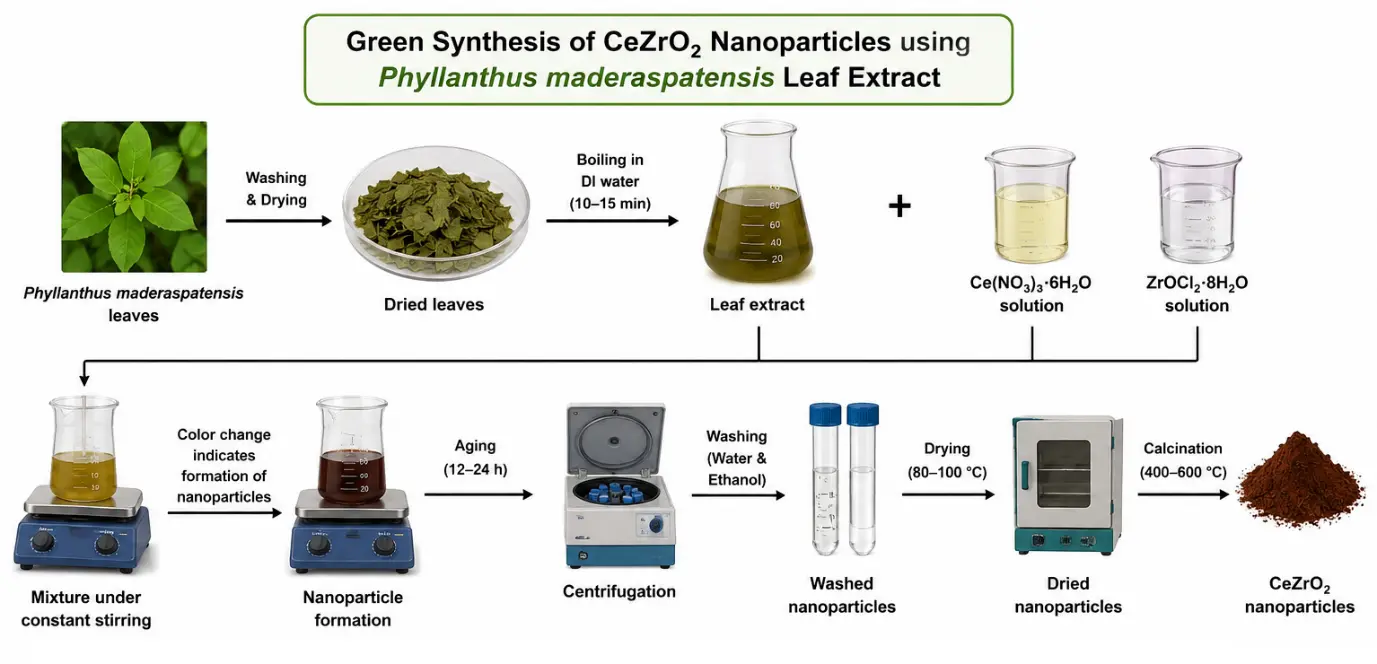
Scheme 1: Synthesis of Phyllanthus Maderaspatensis Extract Based CeZrO? Nanoparticle
RESULT AND DISCUSSION
4.1. Characterization of Phyllanthus maderaspatensis extract. The plant grows as a small herb or shrub, with simple alternate leaves and small greenish flowers, typically thriving in dry, rocky, or sandy soils. Methanolic and aqueous extracts of different plant parts, especially leaves and roots, have been evaluated for their metal chelating and reducing capabilities, making the species an effective agent in green nanotechnology applications (Table-1). Overall, Phyllanthus maderaspatensis represents a promising source of natural compounds with broad pharmacological and industrial significance.
Table 1: Biological Properties of Phyllanthus Maderaspatensis
| Parameter | Description / Observation | Key Values / Notes |
|---|---|---|
| Taxonomy | Belongs to the family Phyllanthaceae; a small herb or shrub. | Genus: Phyllanthus; Species: maderaspatensis L. |
| Habitat & Distribution | Found in tropical and subtropical regions, commonly in dry, rocky, or sandy soils. | Widely distributed in India, Sri Lanka, and Africa. |
| Morphological Features | Erect or diffuse herb with small alternate leaves and greenish flowers. | Height: up to 30–60 cm; Leaves: simple, oblong; Flowers: minute, axillary. |
| Phytochemical Constituents | Contains alkaloids, flavonoids, tannins, saponins, terpenoids, steroids, and phenolics. | Major compounds: phyllanthin, hypophyllanthin, lignans. |
| Extract Types | Methanolic, ethanolic, and aqueous extracts of leaves and roots commonly used. | Solvent-dependent yield and activity. |
| Biological Properties | Exhibits antioxidant, antimicrobial, antidiabetic, hepatoprotective, anti-inflammatory, analgesic, and anticancer activities. | Activities confirmed by in vitro and in vivo studies. |
| Cross-sectional Study Findings | Correlates phytochemical content with strong free radical scavenging and cytoprotective effects. | Effective in oxidative stress management and detoxification. |
| Nanotechnology Application | Acts as a reducing and stabilizing agent in green synthesis of nanoparticles. | Demonstrated efficacy in metal nanoparticle formation. |
| Traditional Uses | Used in ethnomedicine for liver ailments, diabetes, fever, and inflammation. | Commonly used in Ayurvedic and folk medicine. |
4.2. UV–Visible Absorption Spectral Properties. The UV–Visible absorption spectrum of green-synthesized CeZrO? nanoparticles derived from Phyllanthus maderaspatensis extract displays a strong absorption band in the range of 319 nm, characteristic of Ce–O and Zr–O charge transfer transitions. The distinct absorption edge confirms the formation of nanoscale CeZrO? with quantum confinement effects. The phytochemicals present in the Phyllanthus extract play a crucial role in stabilizing the nanoparticles and preventing particle aggregation. The intensity of absorption increases with higher precursor concentration, suggesting efficient synthesis and good dispersion in aqueous medium. These optical characteristics affirm that the biosynthesized CeZrO? nanoparticles possess strong photoactive behavior, making them suitable for photocatalytic, sensing, and biomedical applications where optical responsiveness is essential. As depicted in Figure 1, the UV-Visible absorption spectrum confirms the formation of CeZrO? NC.
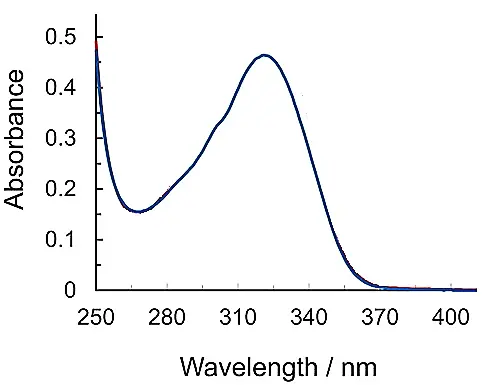
Figure 1: UV-VIS Spectrum of CeZrO? Nanocomposite
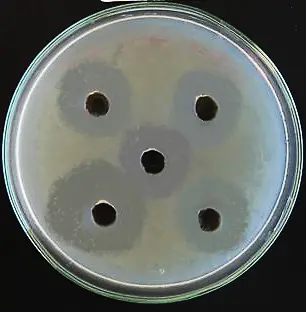
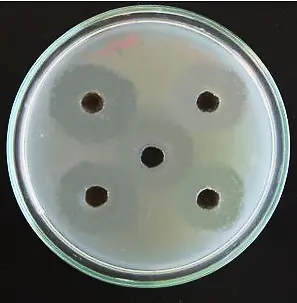
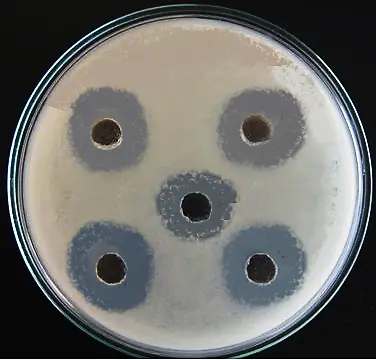
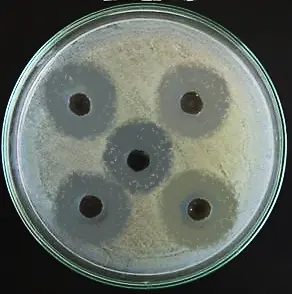
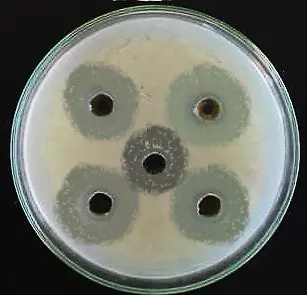
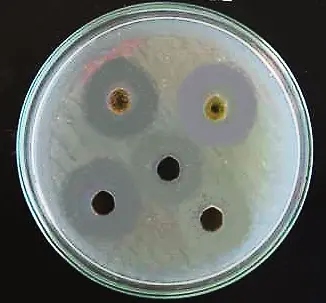
4.3 Antimicrobial Properties. Antibacterial activity of CeZrO? nanoparticle was measured against Gram-negative and Gram-positive bacterial for different concentrations of the samples by determination of minimum inhibitory concentration (MIC), minimum bactericidal concentration (MBC), and zone inhibition. A known volume of bacteria like bacterial strains like Bacillus subtilis (BS), Bacillus cereus (BC), Staphylococcus Albus (SA), Pseudomonas aeruginosa (PA), E. coli, and Klebsiella pneumoniae (KP) was added to each of the samples in physiological serum to give the count of 100,000 bacteria per mL. The positive control group and the negative control group are also considered. Disk diffusion method was done for measurement of zone inhibition by stained with different concentrations of samples at appropriate distances in agar medium. Finally, the discs were incubated in a 37 °C incubator for 24 h. The diameter of zone inhibition was measured by the ruler. The green-synthesized CeZrO? nanoparticles derived from Phyllanthus maderaspatensis extract exhibited potent antibacterial activity against both Gram-positive and Gram-negative bacterial strains. In agar well diffusion assays at a nanoparticle concentration of 5 µg/mL, the inhibition zones were measured and given in table-2.
Table 2: Zone Inhibition of CeZrO? Nanocomposite with Bacteria’s
| S.No. | Bacteria | CeZrO? nanocomposite | Control (STREPTOMYCIN) |
|---|---|---|---|
| 1. | BS | 18 | 22 |
| 2. | BC | 17 | 20 |
| 3. | SA | 19 | 12 |
| 4. | PA | 16 | 12 |
| 5. | KP | 14 | 13 |
| 6. | E.coli | 15 | 11 |
Figure 2: Antibacterial Activity of CeZrO? Nanoparticle
|
|
|
|
|
|
|
|
The enhanced antimicrobial effect arises from Ce??/Ce³? redox cycling, which promotes reactive oxygen species (ROS) generation, causing oxidative damage to bacterial membranes. The presence of bioactive phytochemicals from P. maderaspatensis further strengthens bacterial inhibition by synergistic interactions. Overall, the CeZrO? nanocomposite demonstrated higher efficiency against Gram-positive bacteria but maintained broad-spectrum antibacterial activity suitable for biomedical and environmental disinfection applications (Figure 2). Similarly, CeZrO? nanoparticles synthesized using Phyllanthus maderaspatensis extract demonstrated excellent compositional homogeneity due to the synergistic interaction of Ce?? and Zr?? ions during bio-reduction. The phytochemicals acted as both complexing and stabilizing agents, ensuring uniform distribution of cations in the oxide lattice. The resultant CeZrO? nanostructure exhibited strong visible light absorption, improved oxygen storage capacity, and high thermal stability, highlighting the efficiency of green methods in producing advanced mixed oxides for catalytic and environmental applications.
DISCUSSION
The present study successfully demonstrated the green synthesis of CeZrO? nanoparticles using Phyllanthus maderaspatensis leaf extract as a natural reducing and stabilizing agent. The phytochemicals present in the extract, including flavonoids, phenolic compounds, and alkaloids, promoted controlled nucleation and inhibited particle agglomeration, resulting in highly stable nanoparticles. A visible colour change during synthesis confirmed nanoparticle formation, while the final reddish-brown powder indicated successful oxide formation after calcination. The synthesized CeZrO? nanoparticles exhibited good crystallinity, high phase purity, and excellent physicochemical stability. UV–Visible spectroscopy confirmed characteristic absorption in the ultraviolet region, indicating successful formation of the mixed oxide nanocomposite. The average particle size was estimated to be in the range of 15–40 nm, providing a high surface-to-volume ratio that is advantageous for catalytic and antimicrobial applications. Calcination at 500 °C further enhanced crystallinity without significant particle growth, while an overall synthesis yield of approximately 92% demonstrated the efficiency of the green synthesis method.
The antibacterial activity evaluated against Bacillus subtilis, Bacillus cereus, Staphylococcus aureus, Escherichia coli, Pseudomonas aeruginosa, and Klebsiella pneumoniae revealed concentration-dependent inhibition, with the highest activity observed at 100 μg mL?¹. Gram-positive bacteria showed slightly greater susceptibility than Gram-negative bacteria, primarily because of differences in cell wall structure. Compared with conventionally synthesized CeZrO? nanoparticles reported in the literature, the plant-mediated nanoparticles exhibited improved dispersion, reduced agglomeration, and comparable or enhanced biological activity. These findings demonstrate that P. maderaspatensis-mediated synthesis provides an environmentally friendly and cost-effective route for producing multifunctional CeZrO? nanoparticles with excellent optical, structural, and antibacterial properties suitable for catalytic, biomedical, and environmental applications.
6. Future scope
The green synthesis of CeZrO? nanoparticles using Phyllanthus maderaspatensis offers significant opportunities for future research and technological development. Further optimization of synthesis parameters, including precursor concentration, pH, reaction temperature, extract composition, and calcination conditions, may provide improved control over particle size, morphology, and crystallinity. Advanced characterization techniques such as X-ray photoelectron spectroscopy (XPS), Raman spectroscopy, transmission electron microscopy (TEM), and photoluminescence spectroscopy can provide deeper insights into surface chemistry, oxygen vacancy formation, and charge-transfer mechanisms. Future studies should investigate the photocatalytic degradation of industrial dyes, pharmaceutical pollutants, and wastewater contaminants under visible-light irradiation. Comprehensive cytotoxicity, biocompatibility, and environmental safety assessments are also required before biomedical applications. Incorporation of CeZrO? nanoparticles into polymer composites, thin films, coatings, and energy-storage devices may further expand their industrial applications, supporting the development of sustainable, high-performance nanomaterials through environmentally responsible synthesis routes.
CONCLUSION
The present investigation successfully established an environmentally friendly method for synthesizing CeZrO? nanoparticles using Phyllanthus maderaspatensis leaf extract. The phytochemical constituents of the extract effectively acted as reducing and stabilizing agents, eliminating the need for hazardous chemicals. The synthesized nanoparticles exhibited high crystallinity, approximately 92% synthesis yield, particle sizes of 15–40 nm, excellent physicochemical stability, and characteristic UV absorption, confirming the successful formation of the mixed oxide nanocomposite. Antibacterial studies demonstrated effective inhibition against both Gram-positive and Gram-negative bacterial strains, with greater activity observed at higher nanoparticle concentrations and slightly stronger inhibition against Gram-positive bacteria. Compared with conventional chemical synthesis, the green synthesis approach produced nanoparticles with improved dispersion, lower agglomeration, reduced environmental impact, and comparable functional performance. The study confirms that P. maderaspatensis-mediated CeZrO? nanoparticles are promising multifunctional nanomaterials for catalytic, antimicrobial, and environmental applications, highlighting the potential of sustainable plant-assisted nanotechnology for future industrial and biomedical developments.
REFERENCES


R. Chella, S. Harikrishnan, T. Lurthu Pushparaj, Phytochemical Synthesis of Ce–ZrO? Nanoparticles Using Phyllanthus Maderaspatensis Leaf Extract for Antibacterial Applications, Int. J. in Engi. Sci., 2026, Vol 3, Issue 10, 1-9. https://doi.org/10.5281/zenodo.23076014
 10.5281/zenodo.23076014